

 English
 Español
 русский
 Português
 Deutsch
 عربى
عربى italiano
-1.jpg)
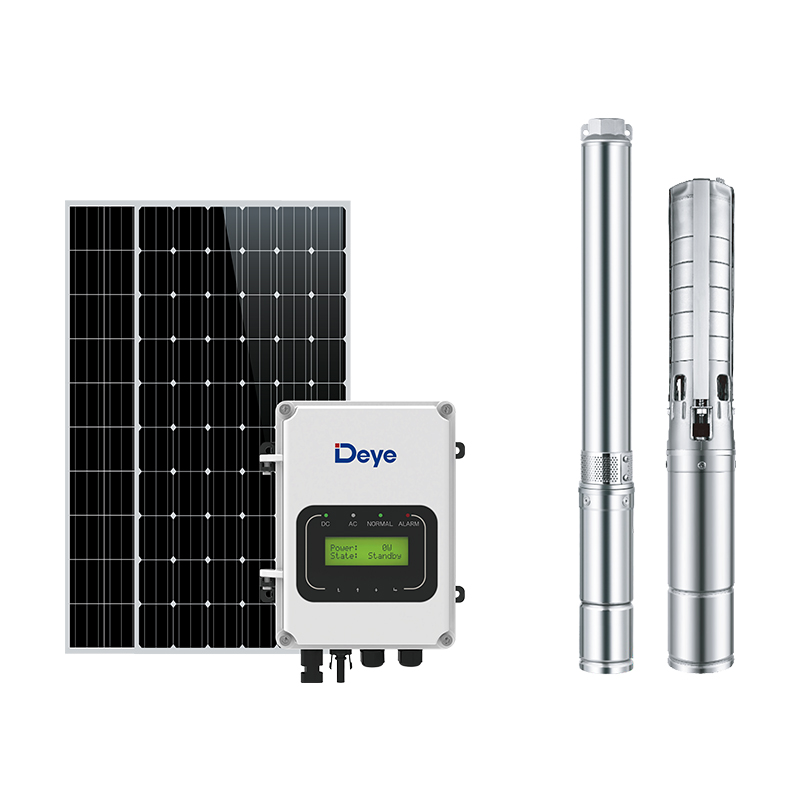
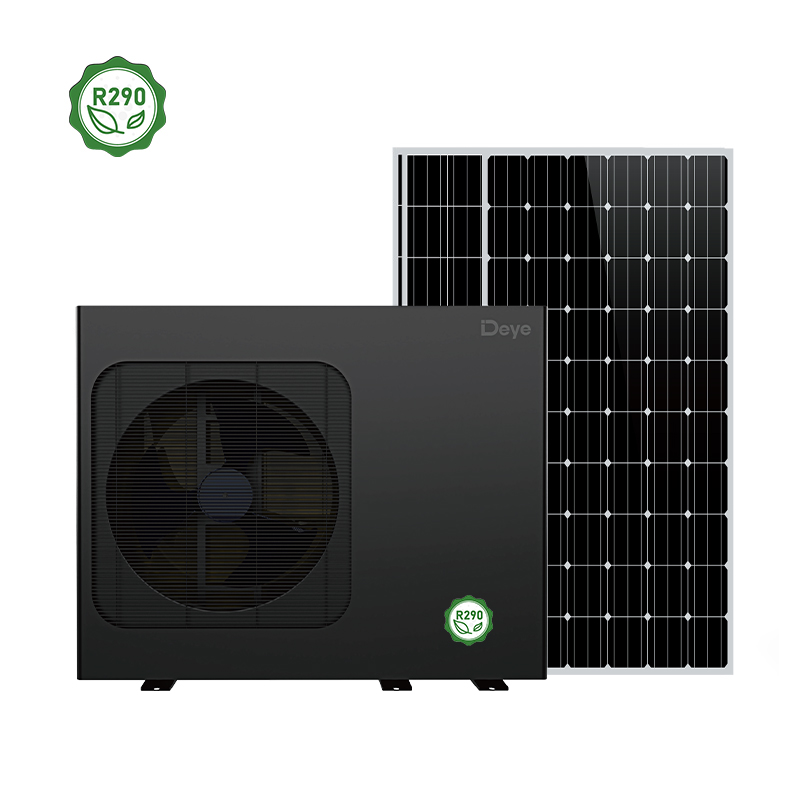
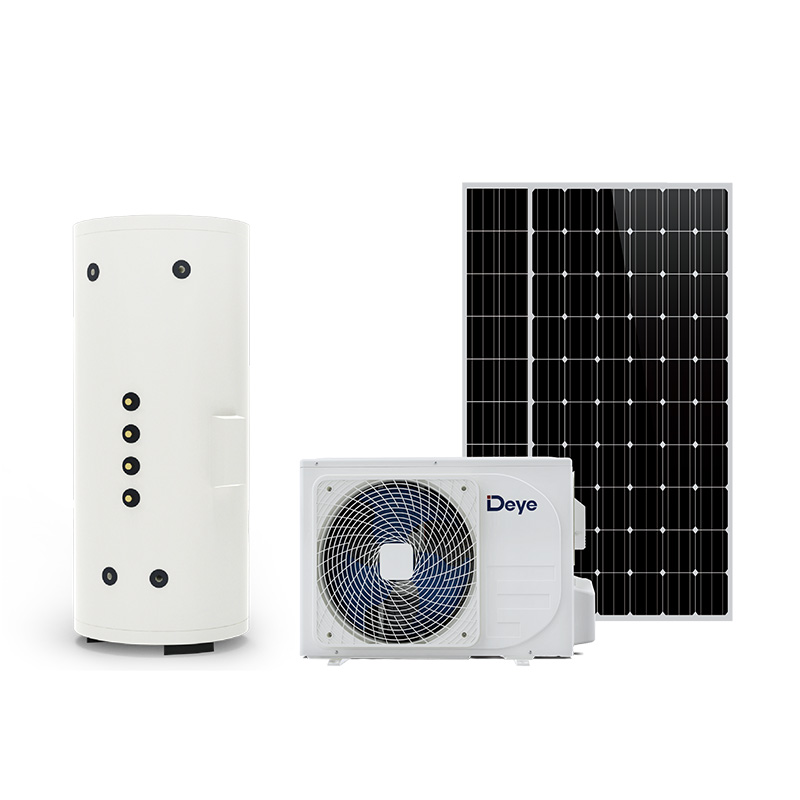
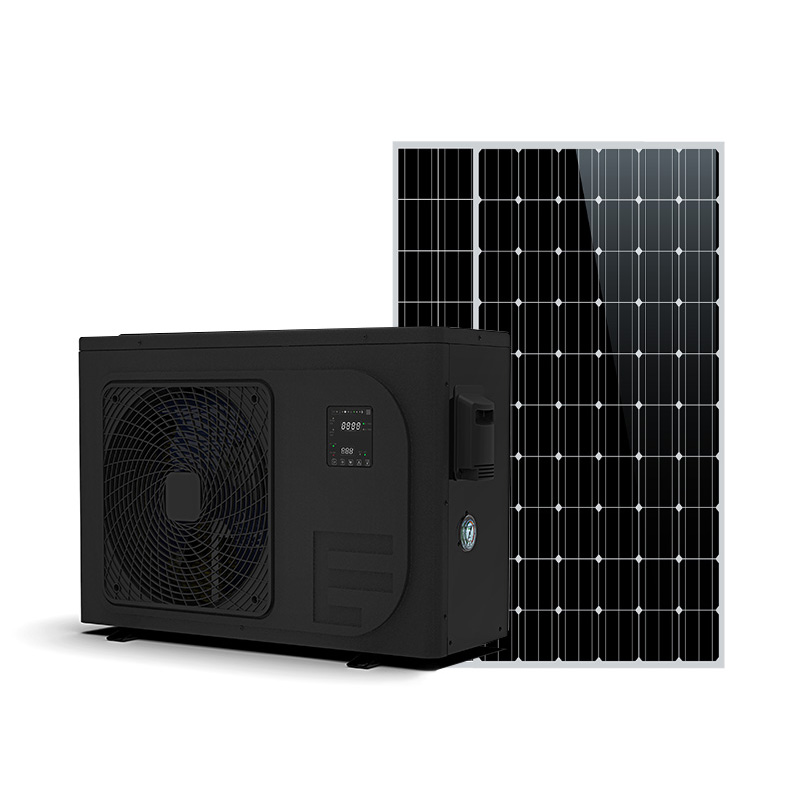

Content
Solar air source water heaters are a highly efficient and environmentally friendly option for providing hot water. However, like any complex system, they can experience issues over time. Timely maintenance and fault diagnosis are essential to keep the system running efficiently. This article will explore the key aspects to focus on during maintenance and troubleshooting.
Common Faults and Causes
1. No Hot Water
This is one of the most common issues. Possible causes include:
- Heat pump failure: If the heat pump system malfunctions, it may be unable to extract heat from the air effectively.
- Electrical system issues: A failure in the electrical control system can prevent the heat pump or solar panels from functioning properly.
- System leakage: Leaks within the system can hinder the circulation of hot water, preventing effective heating.
2. Water Temperature Too Low
If the water temperature is too low, potential causes include:
- Solar panel or heat pump issues: If the panel or heat pump is not efficiently collecting or converting solar and air heat, the water temperature will be lower than expected.
- Low external temperature: In colder climates, low air temperatures can affect the heat pump’s ability to work efficiently.
3. Water Temperature Too High
Excessively hot water may indicate:
- Malfunctioning temperature control system: If the temperature control system fails, it can result in overheating.
- Sensor failure: Faulty sensors may cause inaccurate temperature readings, leading to overheating.
4. Excessive Noise
If the system produces unusually loud noise, check for:
- Compressor failure: A malfunctioning compressor can produce excessive noise.
- Loose piping: Loose connections in the system's pipes can cause vibrations and noise.
5. Circuit or Battery Damage
Damage to the electrical control system or batteries (if applicable) can cause startup issues or unstable operation. The failure of the electrical system can prevent the heater from functioning properly.
Maintenance and Troubleshooting Steps
1. Check Power Supply and Electrical Circuits
Begin by confirming that the solar air source water heater is properly connected to a power source. If the system is powered but not operating, check the electrical control system, including the control panel, relays, and wiring for loose or damaged connections.
2. Inspect Solar Panels and Heat Pump
If the system is powered but not providing hot water, check the solar panels and heat pump. Ensure that the panels are clean and free from dirt or debris that could affect their efficiency. Inspect the heat pump to ensure it's extracting heat from the air effectively.
3. Check Temperature Control System and Sensors
For issues related to high or low water temperature, examine the temperature control system and sensors. Ensure that the thermostat settings are correct and, if necessary, replace any faulty sensors that may be causing inaccurate temperature readings.
4. Inspect System Piping
If excessive noise is an issue, check for loose piping or leaks in the system. Tighten any loose connections, especially near the compressor, to reduce vibrations and noise.
5. Regular Maintenance and Cleaning
To prevent future issues, perform regular maintenance on your solar air source water heater. Clean the solar panels, check the heat pump, and inspect the electrical system periodically. Regular maintenance will help extend the system's lifespan and ensure optimal performance.
Safety Considerations During Maintenance
When performing maintenance or troubleshooting, always disconnect the power supply to avoid electrical hazards. Additionally, handle the system carefully to prevent burns or injuries from hot water or high pressure. Be cautious when dealing with refrigerants in the heat pump system, as improper handling can be harmful to both the environment and your health.
